
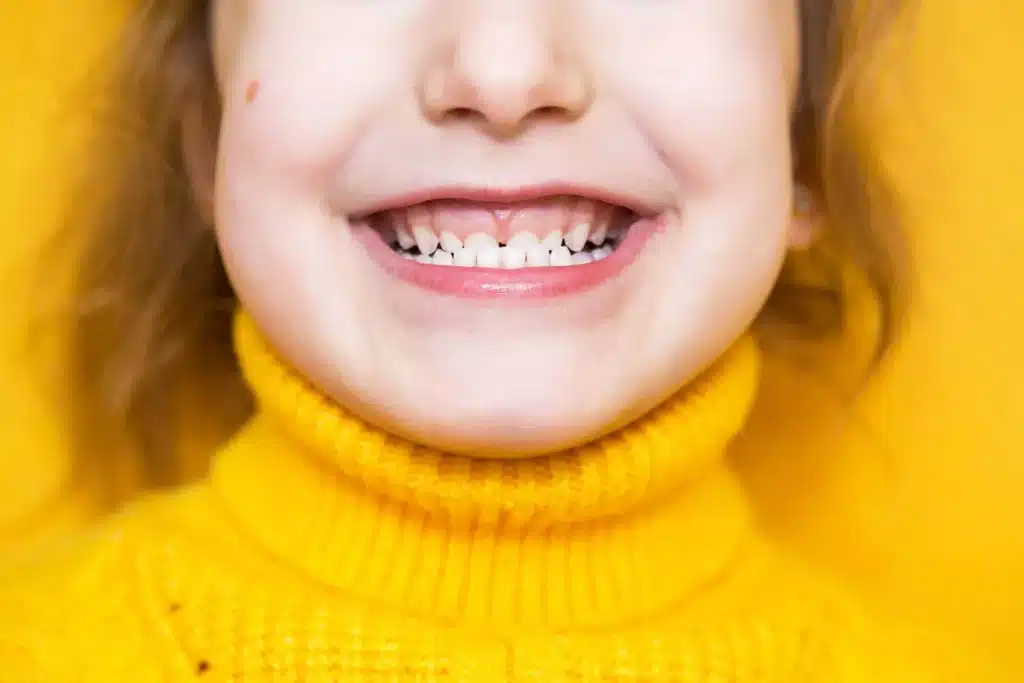
A healthy bite plays an important role in a child’s facial development, speech, and long-term oral health. One common bite issue seen in growing children is a crossbite. While it may seem minor at first, a crossbite can influence jaw growth and tooth alignment if left untreated. Early evaluation helps ensure proper development and can reduce the need for more complex treatment later.
At Mission Creek Orthodontics, families often ask when a crossbite should be treated and whether early orthodontic care is necessary. For parents looking for a trusted children orthodontist, understanding how crossbites affect growth can help guide timely decisions.
What Is a Crossbite?
A crossbite occurs when one or more upper teeth sit inside the lower teeth instead of slightly outside them when the mouth is closed. This can happen in the front teeth, the back teeth, or both.
There are two main types of crossbite in children:
- Anterior crossbite, affecting the front teeth
- Posterior crossbite, affecting the back teeth
Crossbites can involve a single tooth or multiple teeth and may affect one or both sides of the mouth.
Why Crossbites Matter During Childhood
Childhood is a period of active growth for the jaws and facial bones. When teeth and jaws do not align properly, growth may follow an uneven pattern.
A crossbite can cause:
- Asymmetrical jaw development
- Shifting of the lower jaw when biting
- Uneven wear on teeth
- Increased strain on jaw joints
Because children’s bones are still developing, early correction can guide growth in a healthier direction.
How Crossbites Affect Jaw Growth
Jaw growth is influenced by how teeth meet and how forces are distributed during chewing and speaking. A crossbite can disrupt this balance.
Uneven Jaw Development
When a child bites down with a crossbite, the lower jaw may shift to one side to find a comfortable position. Over time, this repeated movement can lead to uneven jaw growth and facial asymmetry.
Changes in Bite Function
A misaligned bite may affect how efficiently a child chews food. This can place excess pressure on certain teeth and muscles, contributing to discomfort or abnormal wear.
Impact on Facial Appearance
As the jaws grow, even small alignment issues can influence facial balance. Early treatment helps support symmetrical development as the child matures.
Common Causes of Crossbite in Children
Several factors can contribute to the development of a crossbite.
Genetics
Jaw size and shape often run in families. A mismatch between upper and lower jaw width can increase the risk of crossbite.
Delayed or Early Tooth Loss
Baby teeth play an important role in guiding permanent teeth. Losing them too early or retaining them too long can disrupt normal eruption patterns.
Oral Habits
Thumb sucking, prolonged pacifier use, or mouth breathing may affect jaw growth and tooth position, increasing the likelihood of crossbite.
Narrow Upper Jaw
A narrow upper jaw is a common cause of posterior crossbite. This can limit space for proper tooth eruption.
When Should a Crossbite Be Evaluated?
Orthodontic evaluations are often recommended around age seven. At this stage, enough permanent teeth have erupted to identify potential alignment issues, while jaw growth is still active.
Early evaluation does not always mean immediate treatment. In some cases, monitoring growth is appropriate. However, identifying a crossbite early allows a children orthodontist to determine the best timing for intervention.
Benefits of Early Orthodontic Treatment
Treating a crossbite during childhood offers several advantages.
Guiding Jaw Growth
Early treatment can help widen the upper jaw or reposition teeth while bones are still flexible. This often leads to more stable and predictable outcomes.
Reducing Treatment Complexity Later
Addressing a crossbite early may reduce the need for extractions, surgery, or longer treatment during adolescence or adulthood.
Improving Oral Function
Correcting the bite can enhance chewing efficiency, speech development, and overall comfort.
Supporting Long-Term Oral Health
Proper alignment makes teeth easier to clean, which can lower the risk of cavities and gum problems over time.
Orthodontic Treatment Options for Crossbite in Children
Treatment depends on the type and severity of the crossbite, as well as the child’s stage of development.
Palatal Expansion
For children with a narrow upper jaw, palatal expanders are commonly used. These appliances gently widen the upper jaw over time, creating better alignment and space for teeth.
Braces or Partial Braces
Braces may be used to correct tooth position and improve bite alignment. In some cases, only certain teeth require treatment.
Clear Aligners for Select Cases
In mild cases, clear aligners may be an option for older children or teens, depending on compliance and specific needs.
Each treatment plan is customized to support healthy growth and comfort.
What Happens If a Crossbite Is Left Untreated?
While some crossbites may appear minor, leaving them untreated can increase the risk of future issues.
Possible long-term effects include:
- Worsening jaw asymmetry
- Increased tooth wear
- Jaw discomfort or joint issues
- More complex orthodontic treatment later
Early assessment helps prevent these outcomes and supports balanced development.
Choosing the Right Children Orthodontist in Kelowna
Selecting an experienced provider is essential when it comes to early orthodontic care. A qualified children orthodontist understands growth patterns and uses treatment approaches that align with a child’s developmental stage.
At Mission Creek Orthodontics in Kelowna, treatment recommendations are based on careful evaluation, clear communication, and ethical orthodontic standards in British Columbia. Parents are guided through each step so they can make informed decisions about their child’s care.
Supporting Your Child During Orthodontic Treatment
Parental support plays a key role in treatment success. Encouraging appliance wear, maintaining good oral hygiene, and attending regular checkups all contribute to positive outcomes.
Children may need time to adjust to appliances, but most adapt quickly with proper guidance and reassurance.
A Healthy Start for a Confident Smile
Crossbite correction during childhood can have lasting benefits for jaw growth, oral function, and facial balance. Early evaluation allows orthodontists to guide development rather than correct problems later.
By addressing crossbites at the right time, families can support healthier growth and reduce the need for complex treatment in the future.
Schedule a Consultation at Mission Creek Orthodontics
If you are concerned about your child’s bite or jaw development, Mission Creek Orthodontics in Kelowna is here to help. Our team provides thoughtful, growth-focused orthodontic care for children and adolescents.
Contact a trusted children orthodontist today to schedule an evaluation and learn how early orthodontic treatment can support your child’s healthy smile and overall development.
