
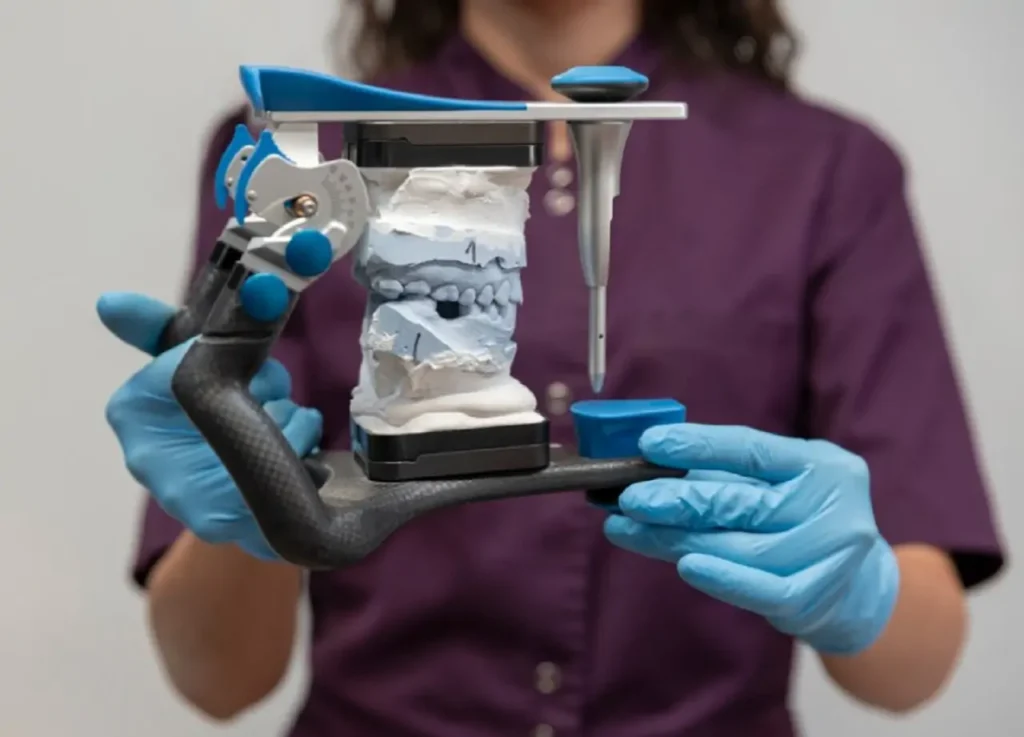
Learning that you may need jaw surgery can feel overwhelming at first. Many patients have questions about what happens before the actual procedure and how orthodontic treatment fits into the process. The good news is that jaw surgery is carefully planned and coordinated well in advance.
At Mission Creek Orthodontics, preparation begins long before the operating room. If you are working with an orthodontist in Kelowna as part of your treatment journey, understanding each step can help you feel informed and confident about what lies ahead.
Why Jaw Surgery Is Sometimes Needed
Jaw surgery, also known as orthognathic surgery, is recommended when the upper and lower jaws are not properly aligned due to skeletal differences. While braces can move teeth, they cannot reposition the jaw bones themselves.
Surgery may be considered if you have:
- A severe underbite or overbite
- Significant facial asymmetry
- Difficulty chewing or biting
- Chronic jaw discomfort
- Speech challenges related to jaw position
Orthodontic treatment is almost always part of the process, both before and after surgery.
Step One: Comprehensive Evaluation
The first stage is a detailed assessment with your orthodontist in Kelowna. This evaluation determines whether jaw surgery is truly necessary and whether non surgical options could be effective.
Your consultation may include:
- A full clinical examination
- Digital X rays
- Photographs
- 3D scans or impressions
- Bite analysis
- Review of facial balance and proportions
This information helps create a clear picture of how your teeth and jaws relate to one another.
Step Two: Pre Surgical Orthodontic Treatment
Before surgery can take place, your teeth must be properly aligned within each jaw. This phase is often called pre surgical orthodontics.
Why Braces Are Needed First
Even if your teeth appear relatively straight, they may be compensating for jaw misalignment. For example, your upper teeth might tilt forward to meet a protruding lower jaw. While this may make your bite look more functional on the surface, it can mask the underlying skeletal issue.
During pre surgical orthodontic treatment:
- Teeth are moved into their correct positions within each jaw
- Bite compensation is removed
- The true jaw discrepancy becomes more visible
This phase may temporarily make the bite look worse before surgery. However, it is an essential step to ensure optimal surgical results.
Step Three: Coordinated Treatment Planning
Jaw surgery involves close collaboration between your orthodontist and an oral and maxillofacial surgeon. Detailed planning ensures both specialists are aligned on the treatment goals.
Advanced imaging technology may be used to:
- Map jaw movements
- Simulate surgical outcomes
- Evaluate airway and facial balance
- Plan precise repositioning of the jaws
This collaborative approach ensures accuracy and improves predictability.
Step Four: Surgical Readiness
As surgery approaches, your orthodontist will ensure your teeth are in the correct position to support the new jaw alignment.
Before the procedure, you may receive:
- Surgical hooks or attachments on braces
- Final wire adjustments
- Instructions about oral hygiene and pre operative care
Your orthodontist in Kelowna will review the surgical timeline and explain what to expect in the days leading up to the procedure.
What to Expect Immediately Before Surgery
In the weeks prior to surgery, you may have appointments with both your orthodontist and surgeon. These visits focus on confirming readiness and reviewing post operative expectations.
You will receive guidance about:
- Pre surgery dietary instructions
- Medications
- Transportation and recovery planning
- Time off from school or work
Having a clear understanding of the recovery process helps reduce stress and allows you to prepare your home environment in advance.
The Emotional Side of Preparation
Preparing for jaw surgery is not only physical but also emotional. It is normal to feel nervous or uncertain.
Open communication with your orthodontic team is important. At Mission Creek Orthodontics, patient education and reassurance are part of the preparation process. Knowing each step and understanding the reasons behind it can provide peace of mind.
What Happens After Surgery
Although the focus is on preparation, it is helpful to know that orthodontic treatment continues after surgery. Once the jaws have healed, braces are used to fine tune the bite and complete alignment.
Post surgical orthodontics ensures:
- Proper tooth contact
- Balanced bite function
- Long term stability
The entire process, from braces to surgery to final adjustments, is designed to create both functional improvement and facial harmony.
Why Careful Preparation Matters
Jaw surgery is not a quick or isolated procedure. It is part of a carefully staged treatment plan. Proper preparation ensures:
- More predictable surgical results
- Improved bite function
- Long term stability
- Enhanced facial balance
Working closely with an experienced orthodontist in Kelowna helps ensure every step is thoughtfully coordinated.
Taking the Next Step
If you have been advised to consider jaw surgery or suspect your bite concerns may require more than braces alone, scheduling a comprehensive consultation is the first step.
At Mission Creek Orthodontics, your treatment plan is tailored to your unique needs. A detailed evaluation will clarify whether jaw surgery is appropriate and outline each stage of preparation, giving you a clear roadmap before you ever enter the operating room.
